Looking to turn your outdoor space into a relaxing, colorful escape? A wildflower garden might be the perfect solution. Wildflowers are low-maintenance, eco-friendly, and visually stunning. Whether you have a sprawling backyard or a tiny patio, there’s a wildflower garden idea to fit your space and style.
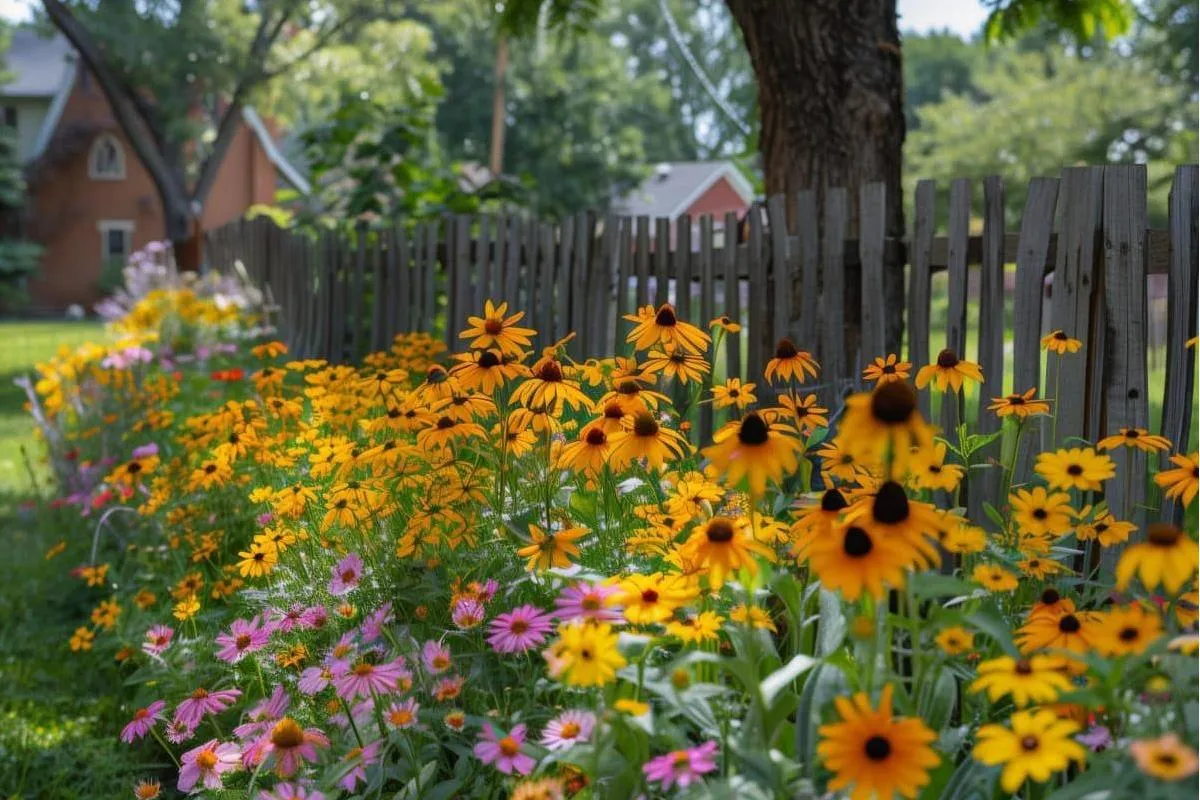
1. Classic Wildflower Meadow
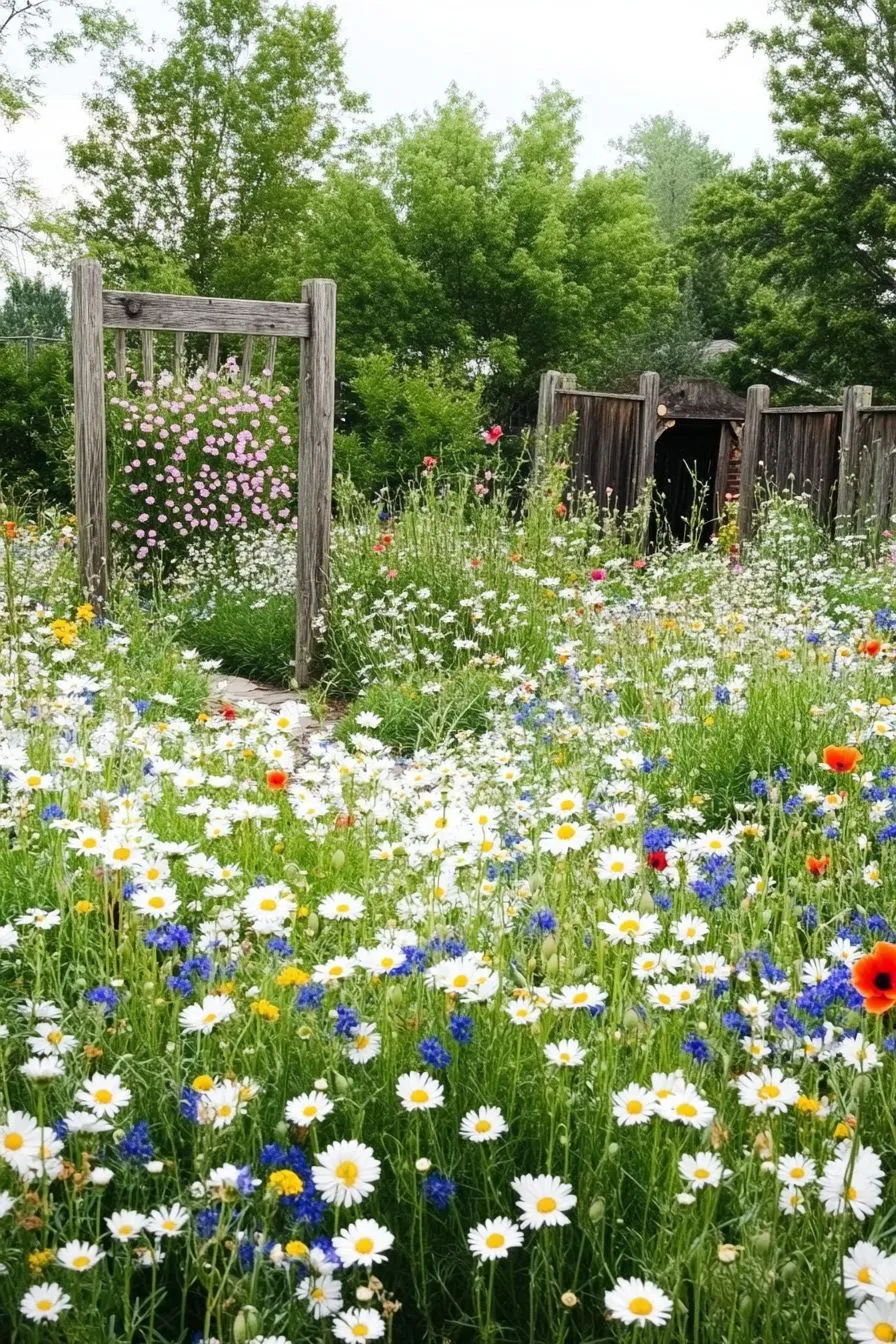
If you’ve got space to spare, why not let nature take over with a classic wildflower meadow? This approach mimics natural prairies and meadows with a blend of colorful, freely growing wildflowers.
- Best for: Large, sunny yards or rural landscapes.
- Why it works: Meadows offer an ever-changing display throughout the seasons. Combining annuals like cornflowers with perennials such as black-eyed Susans creates a long-lasting bloom cycle. You’ll also attract bees, butterflies, and birds.
Tip: Prepare the soil by removing grass and weeds. Broadcast a diverse mix of native wildflower seeds for best results.
2. Small Space Wildflower Patch
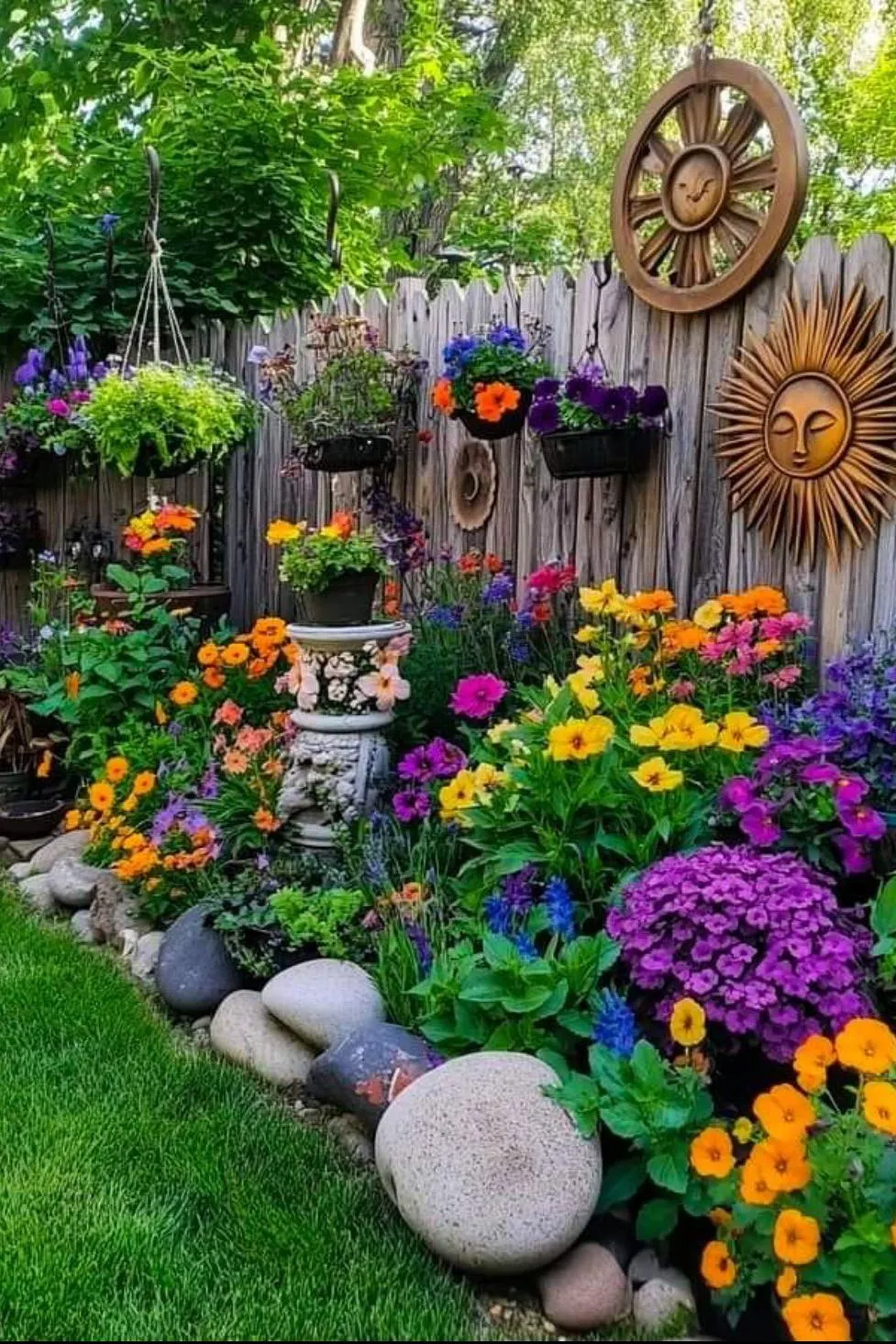
No large yard? No problem. Even a compact space can host a burst of wildflower beauty. A small patch—just a few square feet—can make a huge visual impact.
- Best for: Urban lots, narrow side yards, or renters with limited space.
- Why it works: Wildflowers thrive even in tight spots. Choose low-growing varieties like baby blue eyes or California poppies for a controlled look.
Tip: Use raised edging to keep the area tidy and prevent spreading into unwanted areas.
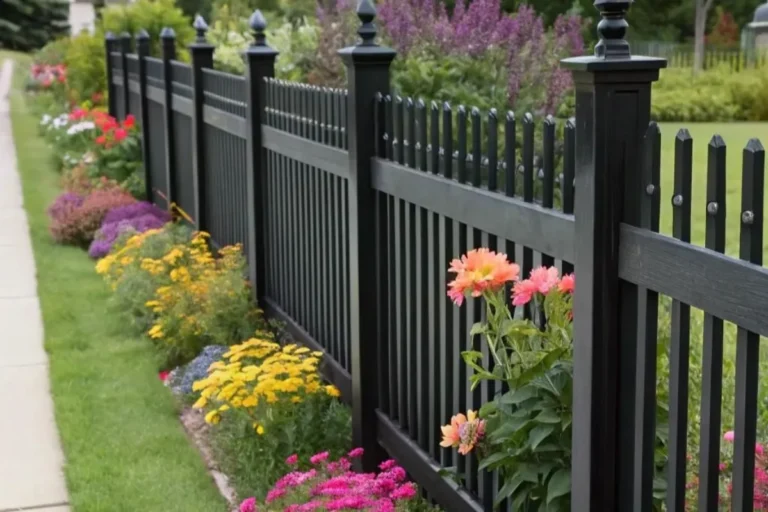
3. Wildflower Border Along Fences or Paths
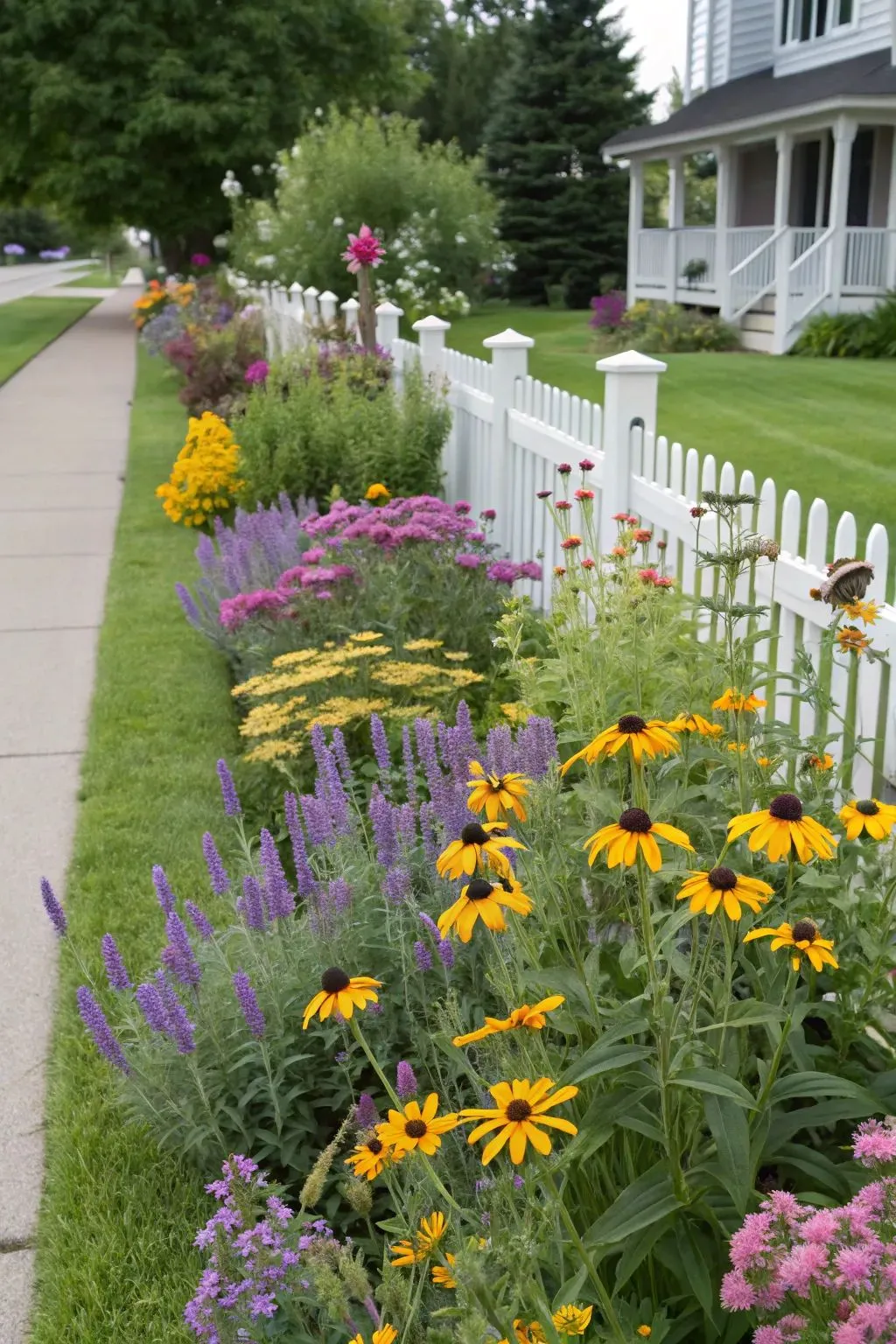
Turn walkways and fence lines into natural beauty zones by planting wildflowers along the edges.
- Best for: Garden paths, driveways, or back fences that need softening.
- Why it works: Linear planting draws the eye and guides visitors through your yard. Border plantings also help frame your space and make everything feel more intentional.
Tip: Choose a mix of heights, with shorter flowers in front and taller varieties in back for layering.
4. Front Yard Wildflower Garden
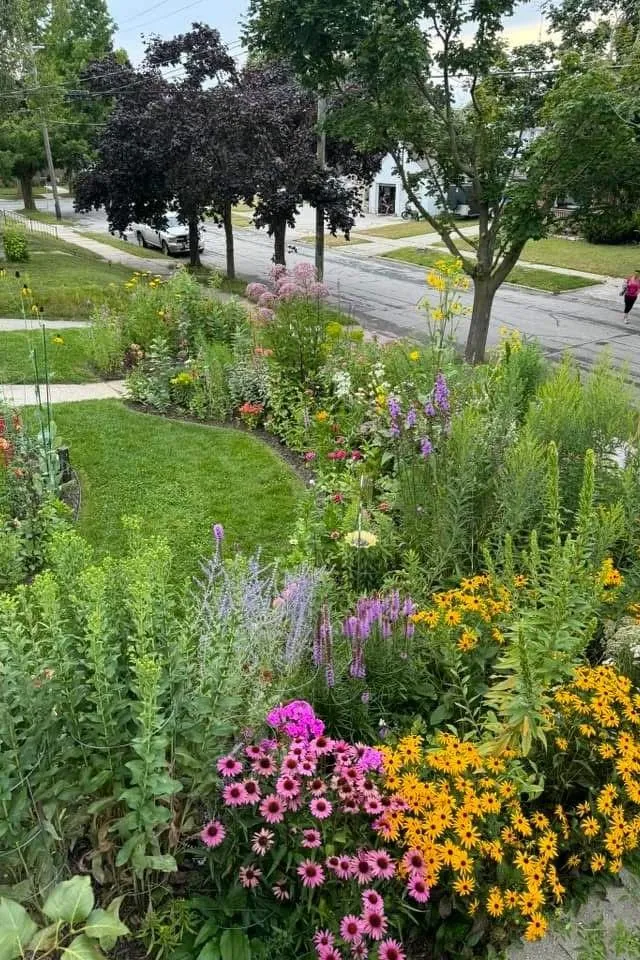
Add instant curb appeal by replacing your front lawn or flower beds with wildflowers.
- Best for: Homeowners seeking a low-maintenance and pollinator-friendly landscape.
- Why it works: A wildflower front yard bursts with personality and natural beauty. You’ll stand out from the crowd while also supporting local ecosystems.
Tip: Use mulch paths or stone edging to give it structure and satisfy HOA guidelines if needed.
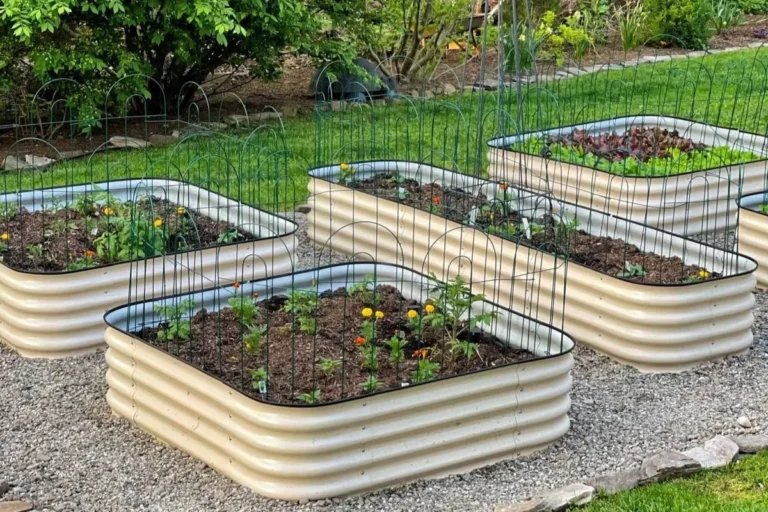
5. Wildflower Garden Bed with Structured Edging
Love the idea of wildflowers but prefer a more formal garden layout? Pair natural blooms with clean, structured edging for the best of both worlds.
- Best for: Traditional or modern landscapes where order matters.
- Why it works: Raised beds or defined borders help contain the wild growth of flowers, making your garden easier to maintain and more refined in appearance.
Tip: Wood, brick, or metal edging adds contrast and keeps flowers from spilling into walkways.
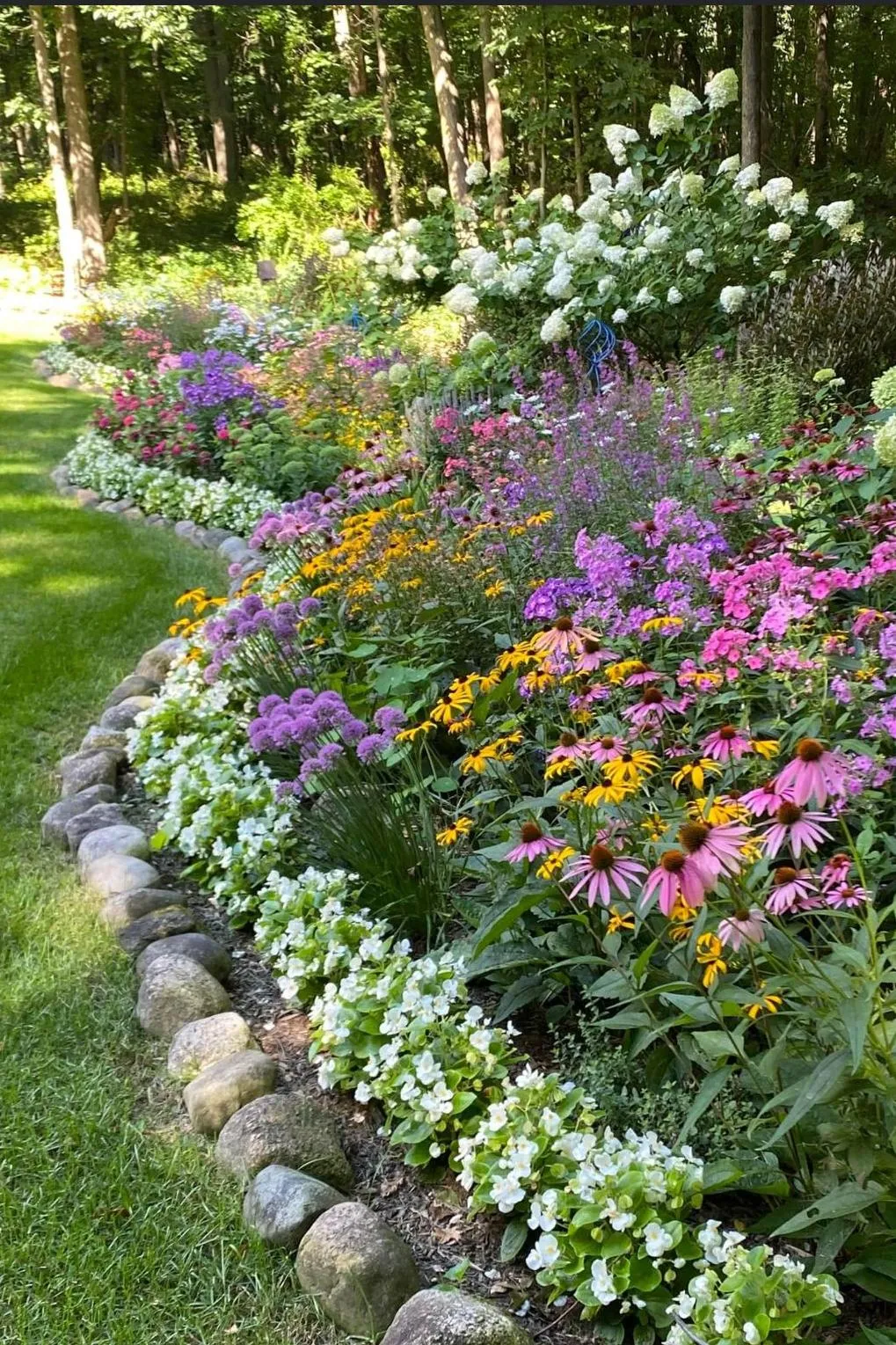
6. Pollinator-Friendly Wildflower Garden
Support bees, butterflies, and hummingbirds with a mix of nectar-rich wildflowers that bloom from spring to fall.
- Best for: Eco-conscious gardeners and nature lovers.
- Why it works: Pollinators are essential to a healthy garden. Including native species like bee balm, milkweed, and coneflowers ensures your space contributes to the local environment.
Tip: Avoid pesticides and choose single-bloom varieties, which are easier for pollinators to access.
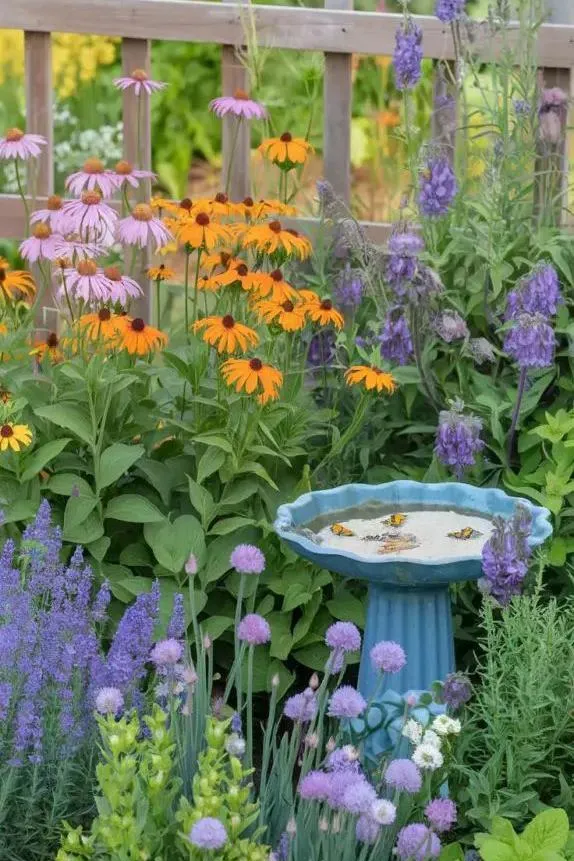
7. Shaded Wildflower Garden
Have a shady corner where nothing seems to grow? Some wildflowers thrive in lower light!
- Best for: Under trees, along north-facing walls, or forested yards.
- Why it works: Woodland wildflowers like columbine, wild ginger, and Virginia bluebells love dappled light. They add softness and interest to areas that are usually overlooked.
Tip: Use compost-rich soil and maintain good drainage for best results in shady areas.
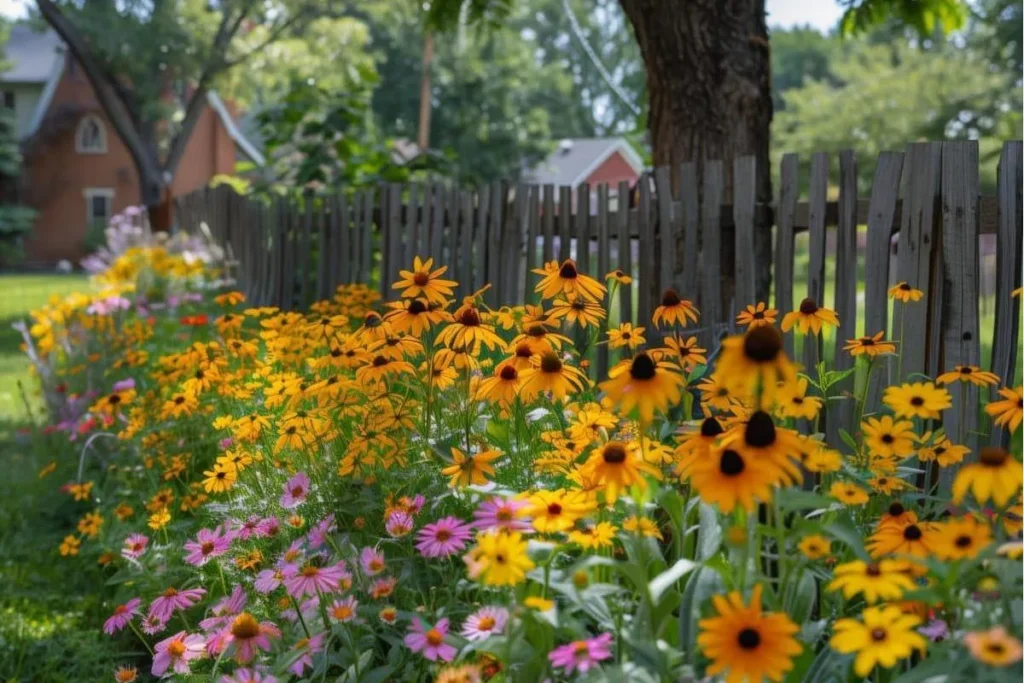
8. Wildflower Rock Garden
Combine wildflowers with gravel or rocks for a low-water, high-impact design.
- Best for: Arid climates or modern xeriscaped gardens.
- Why it works: This style mimics natural desert or mountain landscapes. Flowers like blanket flower, yarrow, and prairie clover thrive in tough conditions and look stunning with stone backdrops.
Tip: Use well-draining soil and group plants with similar water needs.
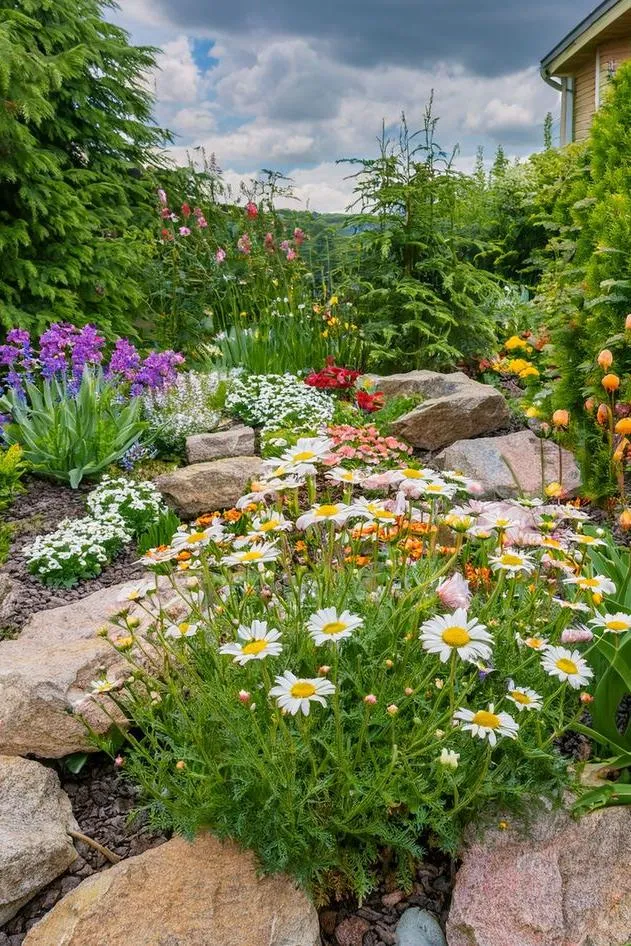
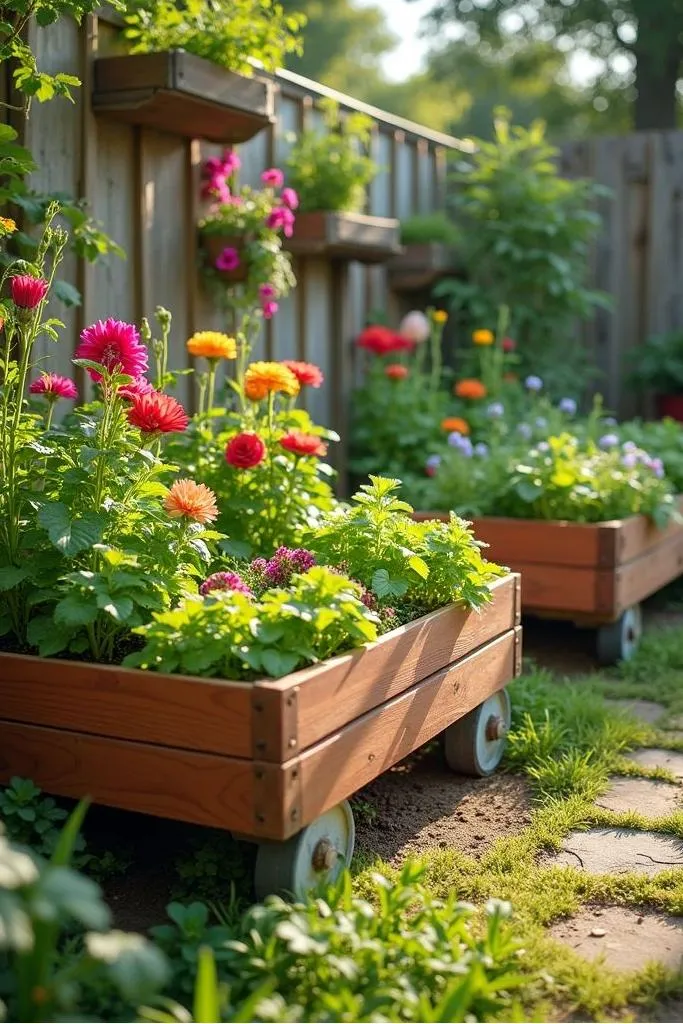
9. Raised Wildflower Beds or Containers
Even if you don’t have a yard, you can still enjoy a wildflower garden with raised beds or large planters.
- Best for: Patios, decks, or balconies.
- Why it works: Raised containers give you full control over soil, sunlight, and drainage. Plus, they’re easier to maintain and rearrange.
Tip: Choose container-friendly species like dwarf cosmos, calendula, or zinnias. Water regularly, especially during dry periods.
10. Backyard Wildflower Retreat Zone
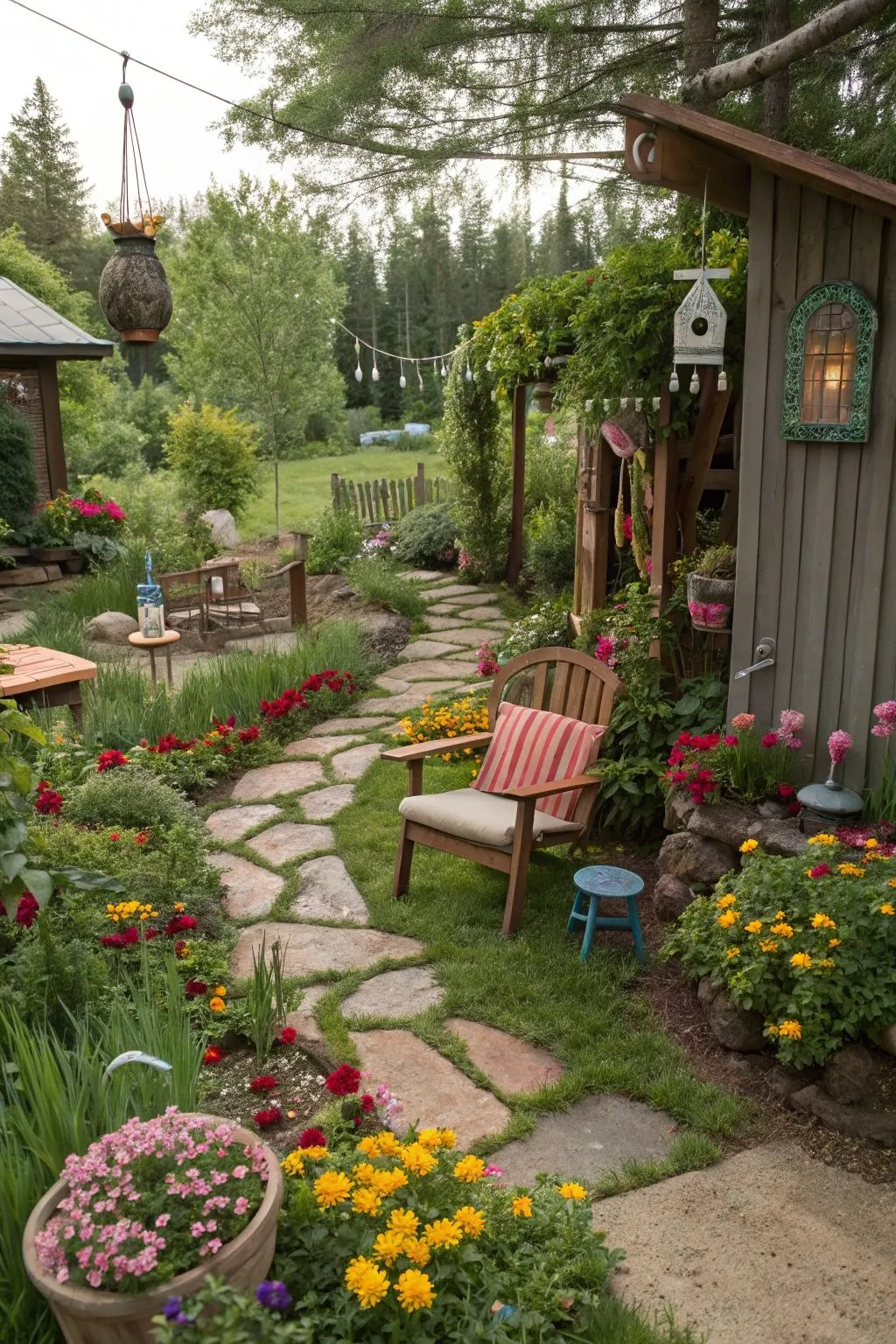
Transform a quiet corner of your yard into a personal wildflower sanctuary.
- Best for: Meditation areas, reading nooks, or tucked-away garden escapes.
- Why it works: A small seating area surrounded by native blooms invites relaxation and nature connection. Add a bench, hammock, or birdbath for maximum effect.
Tip: Combine tall flowers at the back with medium and low plants in front to create a cozy, layered effect.
Final Tips for Success
No matter which style you choose, a few key tips can help you succeed with your wildflower garden:
- Start with clean, weed-free soil
- Use native seeds for better growth and lower maintenance
- Water regularly during germination
- Avoid synthetic fertilizers or chemicals
With a little patience, your garden will reward you with months of natural beauty and buzzing wildlife.
From sprawling meadows to tiny balcony patches, wildflowers have a place in every outdoor space. With their low-maintenance needs and high visual payoff, wildflower gardens are one of the most rewarding landscaping projects you can take on.
Looking for more garden design inspiration? You might also love:
- 10 Cactus Garden Ideas That Bring Desert Beauty to Your Backyard
- 10 Zen Garden Ideas on a Budget That Bring Peace to Your Backyard
- 10 Whimsical Gnome Garden Ideas That Add Magic to Your Backyard
- 10 Enchanting Fairy Ideas for the Garden That Spark Imagination
- 12 Raised Bed Garden Ideas for Beginners on a Budget